
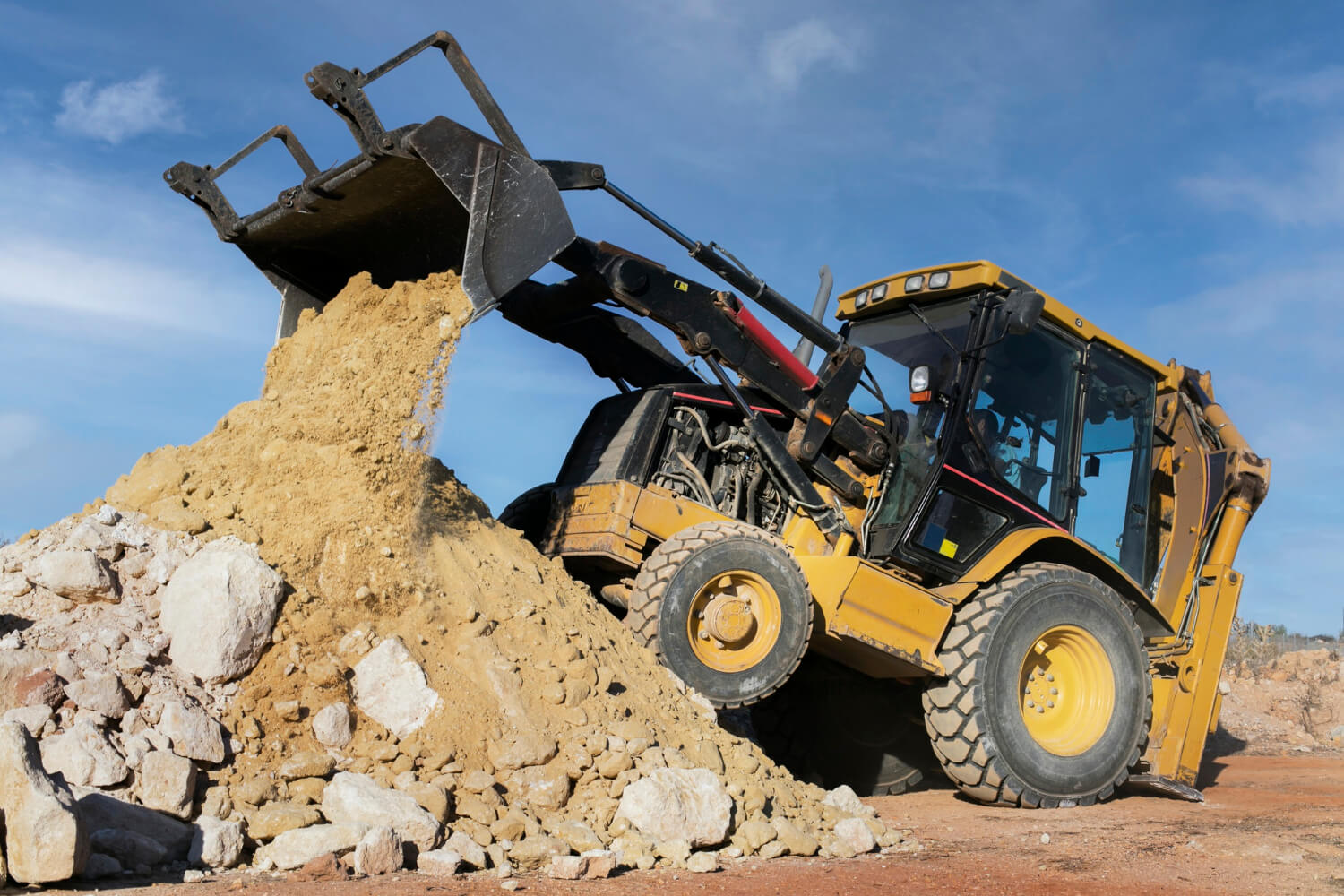
Construction sites across North Carolina are busy, high-pressure environments where efficiency and deadlines matter. But above all, safety should always come first. Heavy equipment like excavators, skid steers, loaders, and lifts make projects possible, yet they also carry significant risks if not handled correctly.
Every year, workplace accidents happen because operators or crew members overlook basic safety steps. Following proven safety practices not only prevents injuries but also ensures your project stays on time and within budget. Whether you’re working in Raleigh, Charlotte, Fayetteville, or a smaller NC community, these tips can help keep your job site safe and productive.
1. Always Start with Proper Training
No matter how straightforward a machine looks, every piece of equipment has unique controls and limitations. Operators should be trained and, in some cases, certified before handling heavy machinery. This is especially important for boom lifts, large excavators, and specialized machines.
If you’re renting equipment in North Carolina, companies like BlueWork Rentals provide basic instructions and can guide you on whether certifications are required. Cutting corners on training is one of the fastest ways to invite accidents.
2. Inspect Equipment Before Every Use
Even well-maintained equipment can develop issues between jobs. Before operating, check:
- Tires or tracks for wear and tear
- Hydraulic hoses for leaks
- Brakes, steering, and controls for responsiveness
- Fluid levels (oil, fuel, hydraulic)
- Lights, alarms, and safety features
Catching problems early avoids breakdowns mid-project and keeps workers safe.
3. Wear the Right Personal Protective Equipment (PPE)
Construction is one of the highest-risk industries, and PPE saves lives. At minimum, workers should wear:
- Hard hats
- Steel-toe boots
- High-visibility vests
- Protective gloves
- Safety goggles
For tasks like cutting, grinding, or working at heights, additional protection (earplugs, harnesses, face shields) may be required.
4. Keep the Job Site Organized
A cluttered job site increases the risk of accidents. Mark off equipment paths clearly, separate pedestrian walkways from machine zones, and remove unnecessary obstacles. In North Carolina’s rainy seasons, mud and water can create hazards, so keep sites as clean and dry as possible.
5. Follow Load Limits Strictly
Every machine has a load rating — and exceeding it can be disastrous. Overloading excavators, skid steers, or forklifts risks tipping, damaging the machine, or injuring workers. Always consult the manufacturer’s guidelines or the rental company’s specifications before lifting or carrying heavy loads.
6. Communicate Clearly with Your Crew
Hand signals, radios, or spotters should always be used when equipment is in motion. Many accidents happen because operators and ground workers miscommunicate. Establish clear communication protocols before the project begins to ensure everyone understands signals and safety zones.
7. Use Equipment Only for Its Intended Purpose
It might be tempting to improvise — like using a loader bucket to lift workers — but this is one of the most dangerous mistakes on a job site. Machines are designed for specific functions, and misuse can cause severe injuries or fatalities.
8. Be Aware of Surroundings
North Carolina job sites can be busy, especially in urban areas where space is tight. Operators should always:
- Check blind spots before moving
- Watch for power lines and underground utilities
- Stay alert to pedestrians and vehicles near the site
A moment of distraction can cause property damage or worse.
9. Shut Down Properly After Use
When the day’s work is over, don’t just walk away. Properly park equipment on level ground, lower attachments, turn off the engine, and secure the machine. For rentals, following these steps avoids damage charges and ensures the machine is ready for pickup.
10. Plan for Emergencies
Even with precautions, accidents can still happen. Every job site should have:
- A first aid kit readily available
- Emergency contact numbers posted
- A clear evacuation plan
- A designated safety officer or supervisor
Preparing ahead of time ensures that if something goes wrong, your crew knows exactly what to do.
Why Safety Matters for North Carolina Contractors
In addition to protecting workers, prioritizing safety builds trust with clients. Contractors known for safe, efficient practices are more likely to win repeat business and referrals. Plus, avoiding accidents reduces downtime, medical costs, and liability issues.
With North Carolina’s construction industry booming, safety can be a competitive advantage as much as it is a legal requirement.
Final Thoughts
Operating heavy equipment safely isn’t just common sense — it’s essential for successful projects. By focusing on training, inspections, PPE, and clear communication, contractors and homeowners can drastically reduce risks on their job sites.
At BlueWork Rentals, every piece of equipment is carefully maintained and inspected before it reaches your site. Combine that with your crew’s commitment to safety, and you’ll have the confidence to complete any project across North Carolina, big or small.
👉 Explore our equipment rentals today and take the first step toward safer, more efficient job sites.